

home
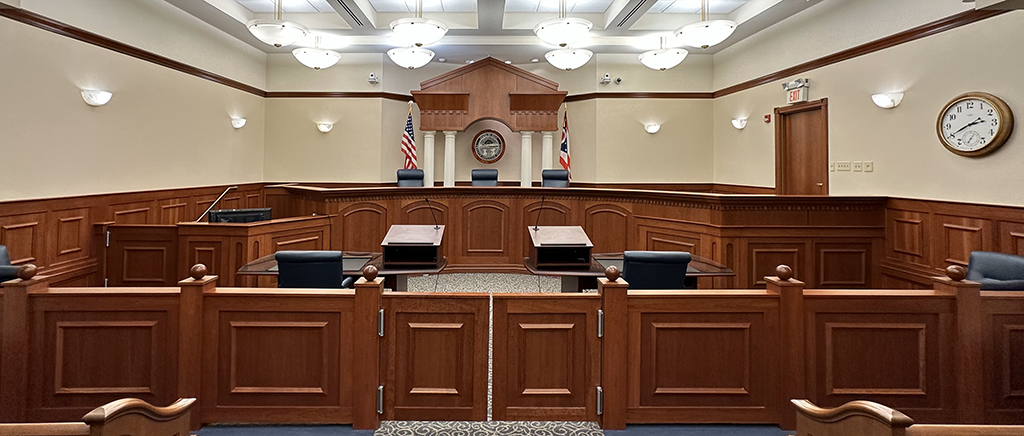
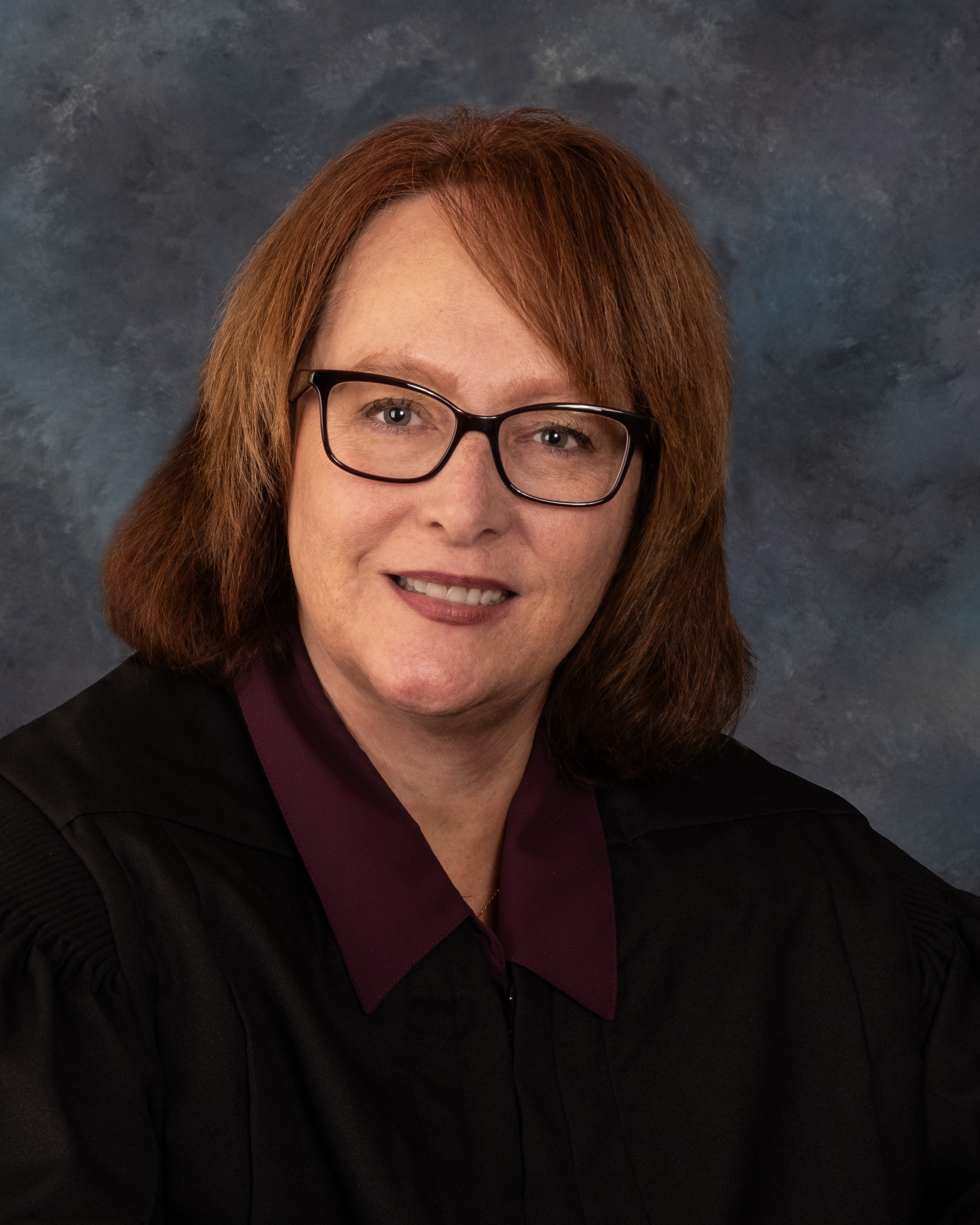
Five judges serve on the Twelfth District Court of Appeals. The judges are elected for six-year terms in staggered, even-numbered years.



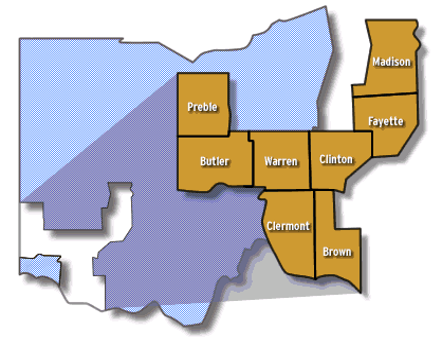
The court's primary function is to hear civil, criminal, and administrative appeals from the common pleas, municipal, and county courts within its district. Each case is heard and decided by a three-judge panel. The Judges are assisted in their work by administrative and legal staffs under the supervision of Susan M. Kowalski, Court Administrator and Magistrate. The state is divided by counties into twelve appellate districts. The Twelfth District includes Brown, Butler, Clermont, Clinton, Fayette, Madison, Preble, and Warren Counties.
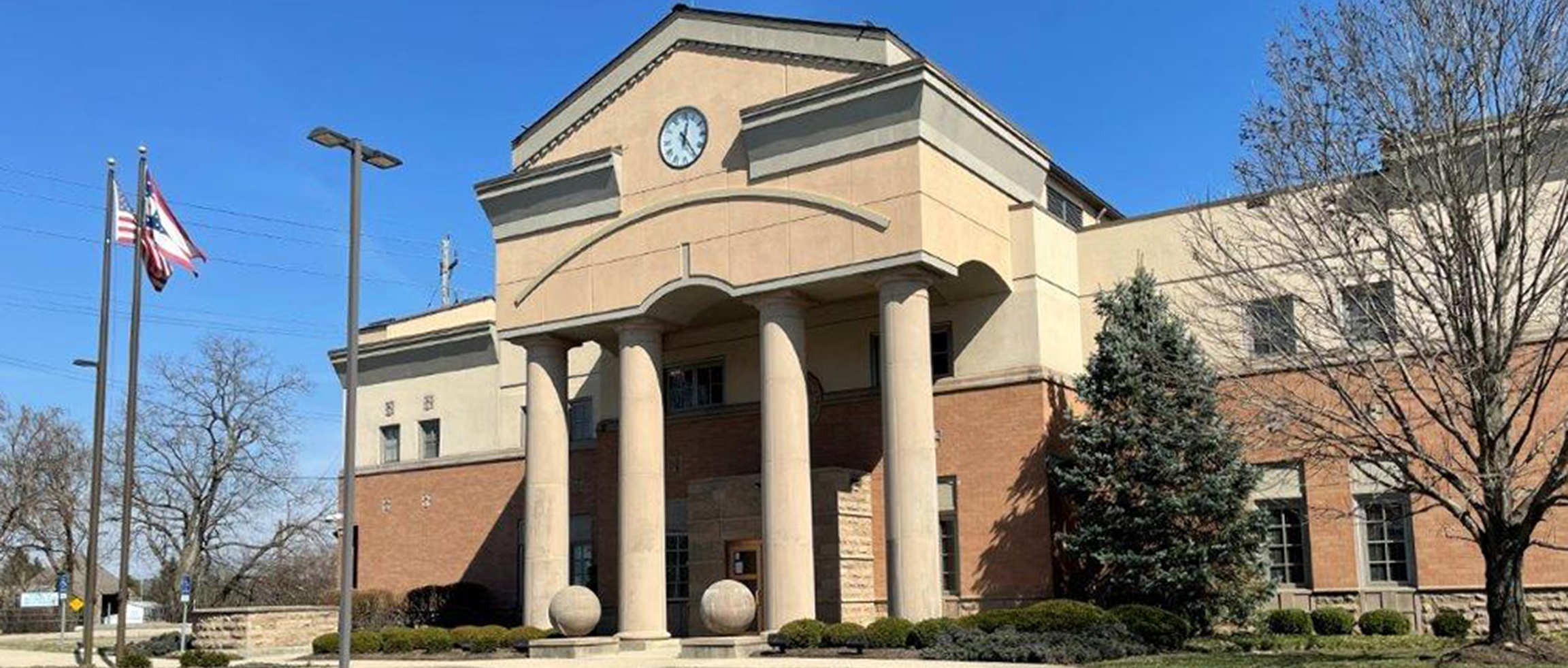
A variety of factors determines the number of judges in a district, including the court's caseload and the size of the district. The Twelfth District currently has five judges. In addition to its appellate jurisdiction, the Court also has original jurisdiction to hear applications for writs in specific original actions. The Twelfth District's central offices are in Middletown, Ohio, where the court has been located since its inception in 1981.
The court's mediation program assists parties in solving disputes outside the courtroom through voluntary agreement and settlement.

Mark W. Evans is the Mediation and Conference Attorney for the Twelfth District Court of Appeals. Mark has extensive appellate court experience, having worked as a staff attorney for various judges at the Twelfth District for ten years and at the Fourth District Court of Appeals for two years. Prior to his work at the Twelfth District, Mark was engaged in private practice, representing clients in civil litigation in Cincinnati and Dayton.
Mark is trained as a mediator through the Ohio Supreme Court. In 2009, Mark earned his J.D., Summa Cum Laude, from the University of Dayton School of Law. He was admitted to the Ohio bar in 2009 and the Kentucky bar in 2010. Mark lives in Cincinnati with his wife and two sons.
Read More
Mediation by Nick Youngson CC BY-SA 3.0 Alpha Stock Images
Mediation, governed by R.C. 2710.01, et seq. is a process in which a neutral third party (the mediator) helps the parties to a legal dispute discuss possible ways to resolve the issues without need for further litigation. A mediator does not take sides and does not decide who is "right" or "wrong." Instead, the mediator gives each party some thoughts on how particular arguments or facts might be perceived by the Court so that the parties can evaluate their case and make an informed decision about whether to proceed with legal action or reach a settlement.
Read More
Any appeal from a civil, domestic relations, or juvenile support case, as well as original actions, may be mediated.
If a case is selected for mediation, all parties are required to participate.
All parties and all lead counsel must attend mediation conferences in person. Exceptions to this rule are granted sparingly and only when requested ahead of time or under extraordinary circumstances.
Read More
Most attorneys are most comfortable wearing their litigation "combat helmet." Mediation, however, is a collaborative process where the parties work together with the goal of finding a mutually agreeable solution. With the confidentiality protections, mediation is short and unique window of opportunity for the parties to quickly reach an outcome that they can control. Mediation results in settlement when the parties are able to find a solution that is better than more litigation.
Read More
A party or attorney has three different ways to request mediation:
or
The SEARCH NOW button below is a direct link to the Ohio Supreme Court's website where the Court's opinions and decisions are posted. The supreme court's website has served as the Ohio Official Reporter for all court of appeals opinions since July 1, 2012.
If the Court issued an “Accelerated Calendar Judgment Entry” in deciding your case, those entries are, by state and local appellate rules of court, not to be published in any form, and are not reported to the Ohio Supreme Court for publication. Parties interested in obtaining a copy of an Accelerated Calendar Judgment Entry are advised to contact the Court of Appeals Clerk in the county from which the case originated.
The Ohio Rules of Appellate Procedure, Local Rules for appeals in the Twelfth District, and other Ohio Rules of Court.
Welcome to the Twelfth District Court of Appeals' website.



Learn more about ADA guidelines and adjusting your screen settings for increased legibility.
Copyright © Twelfth District Court of Appeals
The materials herein are published by the Twelfth District Court of Appeals as a public service and are believed to be accurate and correct. The court cannot verify the content of or accessibility to other websites linked in this site. The court shall not be held liable for damages of any kind regarding the use of any information herein.